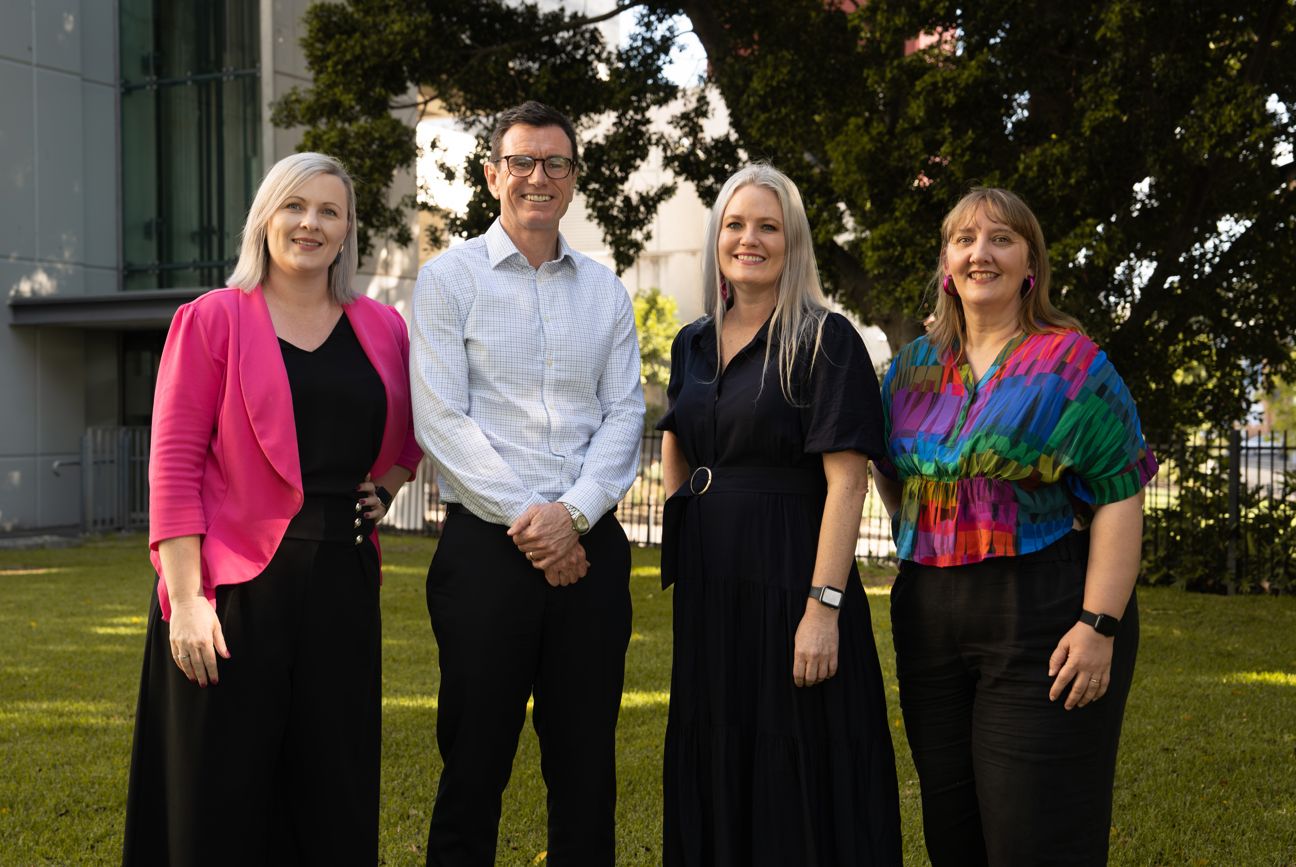
Mel James, CEO/Founder - Social Care Solutions
When most people hear ‘safeguarding’, they think of social workers and child protection departments. However, the truth is that safeguarding—protecting children, young people, and vulnerable adults from harm—is everyone's responsibility, including businesses that have no direct connection to care or protection services.
You interact with vulnerable people more than you realise
Whether you own a restaurant, a construction firm, a retail store or an insurance company, you likely encounter children and vulnerable
adults regularly. They may be customers, visitors, employees, employees' family members or people engaged by your services. A delivery
driver might notice signs of neglect at a property they visit. A receptionist might observe concerning behaviour in a waiting room. Retail
and hospitality staff might witness suspected exploitation.
These everyday interactions create moments where awareness and action can make a crucial difference. Without basic safeguarding knowledge, these warning signs go unnoticed or unreported.
Legal and regulatory obligations
Many jurisdictions have legal requirements for businesses to take reasonable steps to protect vulnerable people who interact with their
services. The new Child Safe Standards apply to any business that falls under the Child Safe Organisation legislation. Even where legal
obligations don't explicitly exist, psychosocial risk can occur for staff observing behaviours or actions that are harmful or abusive, and
negligence claims can arise if a business fails to act on obvious signs of harm or creates environments where abuse may occur.
Industries from hospitality to transportation increasingly face scrutiny over their role in preventing exploitation. Hotels, for instance, have become frontline defenders against human trafficking through staff training and development programs.
Reputational risk
In today's connected world, how a company responds—or fails to respond—to safeguarding concerns can become public knowledge quickly.
Organisations that ignore warning signs or fail to take appropriate action face significant reputational damage. Conversely, businesses
known for taking safeguarding seriously build trust with customers, employees and the communities they serve.
Creating a culture of care
Safeguarding is about more than just preventing harm—it's about creating environments where people feel safe and valued. When children,
young people and adults-at-risk feel safe and valued. When businesses embed safeguarding into their culture, they demonstrate that they care
about people, not just profits. This strengthens employee morale, customer loyalty and community relationships.
A workplace that takes safeguarding seriously is one where staff feel empowered to speak up about concerns, where policies protect rather than just satisfy compliance requirements, and where doing the right thing is the default.
It's simply the right thing to do
Beyond legal obligations and business benefits, there's a moral compass. A commitment to want to leave society a better, more just, more
safe place than where we found it. Vulnerable people deserve protection and businesses have the power and position to contribute to that
protection. When someone in your organisation spots a child in danger or an adult being exploited, having the knowledge and systems to
respond appropriately can literally save lives.
Safeguarding does not require massive teams, costs, time or resources. Start with basic steps: provide staff training on recognising signs of abuse and neglect, establish clear reporting procedures and have clear policies about what you expect from your team, and what you’re committed to doing as a business. Designating a Safeguarding Lead and creating partnerships with local safeguarding services will take you to the next level as a business.
Every business, regardless of sector, has a role to play in creating safer communities. Whether you fall under the new Child Safe Org legislation, or not, safeguarding isn't someone else's job—it's everyone's responsibility.