Expert Outlook: Lisa Carter - CEO and Managing Director, Clear Insurance
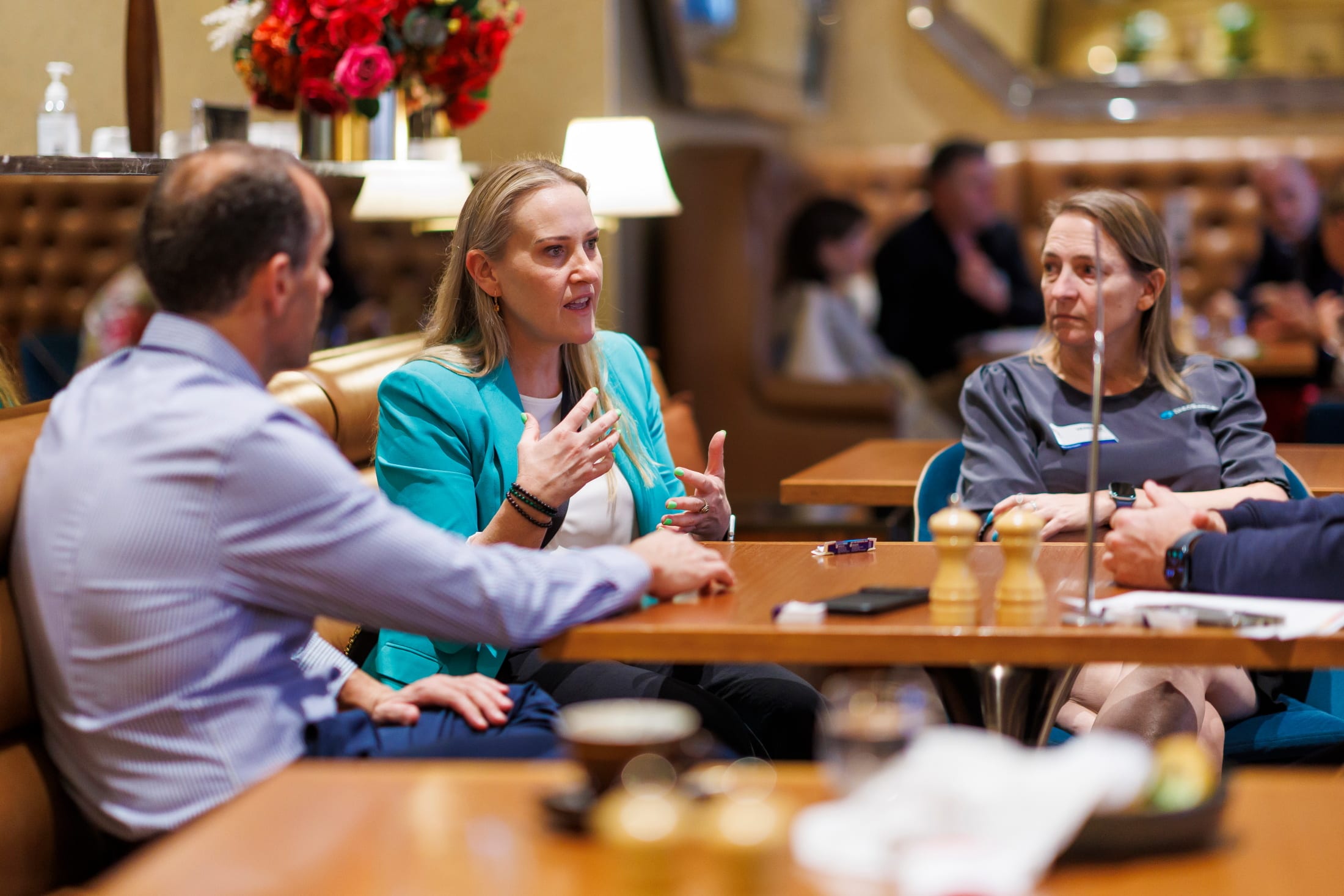
As we celebrate 20 years of Queensland Leaders, Lisa Carter from Clear Insurance
examines risk management in an environment where the greatest threats may be invisible and unpredictable.
Lisa believes leaders will need to ask tough questions, as “the risks that determine whether companies survive and thrive in the next decade may be the hardest to identify and prepare for.”
The next horizon
Historically, risk has been visible and physical. Fire. Flood. Injury. You could point to it, measure it and insure it. Those existing risks have been joined by a new category of exposure that’s not as immediately obvious.
Companies that are best positioned for sustainable growth will be able to assess emerging risks earlier and respond faster. This will place greater emphasis on governance, preparedness and adaptability.
The future of risk management will be influenced by the following factors:
Interconnected risk
Cyber threats, AI exposure and supply chain vulnerabilities are increasingly interconnected. A single supplier breach can ripple across multiple companies operating in the same ecosystem.
AI liability blind spot
Most active insurance policies haven’t been designed for AI-related incidents or losses across shared cloud infrastructure. This creates a growing gap between perceived cover and actual protection.
Property underinsurance
With ongoing climate volatility and rising construction costs, there’s a widening underinsurance gap. This means many companies are carrying higher property-related risk than they realise.
Practical implications
The most dangerous assumption leaders can make is that risk management belongs to someone else. As risk becomes a strategic input, the focus should shift towards investments that build resilience.
Insurers will increasingly price risk based on what a business does, not just what it owns. To attract favourable terms, companies need stronger cyber practices, tested continuity plans and clear AI governance.
Defining advantage
When a serious disruption occurs, the companies that recover best are likely to share the following traits:
> Established governance before a crisis occurs
> Robust continuity and recovery planning
> Risk mitigation aligned to operational realities
> Insurance coverage that’s fit-for-purpose
> Trusted and supportive adviser relationships
Companies that lead the way will understand that risk management is no longer purely protection – it’s commercial advantage.
Key takeaways
1. The greatest risks in the years ahead may be the ones leaders can’t easily see, quantify or insure.
2. Cyber security, artificial intelligence and climate volatility are reshaping the insurance market.
3. Companies with the most resilience are likely to become the most commercially successful.
Final thought
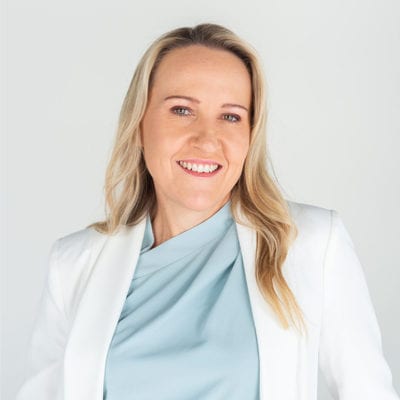
"The question is not whether something will go wrong. It’s whether the business is prepared to absorb the impact, recover quickly and come back stronger. Preparation starts with leadership and requires serious consideration.”
Lisa Carter – CEO and Managing Director, Clear Insurance
What if… the risks you can’t see are the most dangerous?