Expert Outlook: Jo Kitney - Managing Director, Kitney
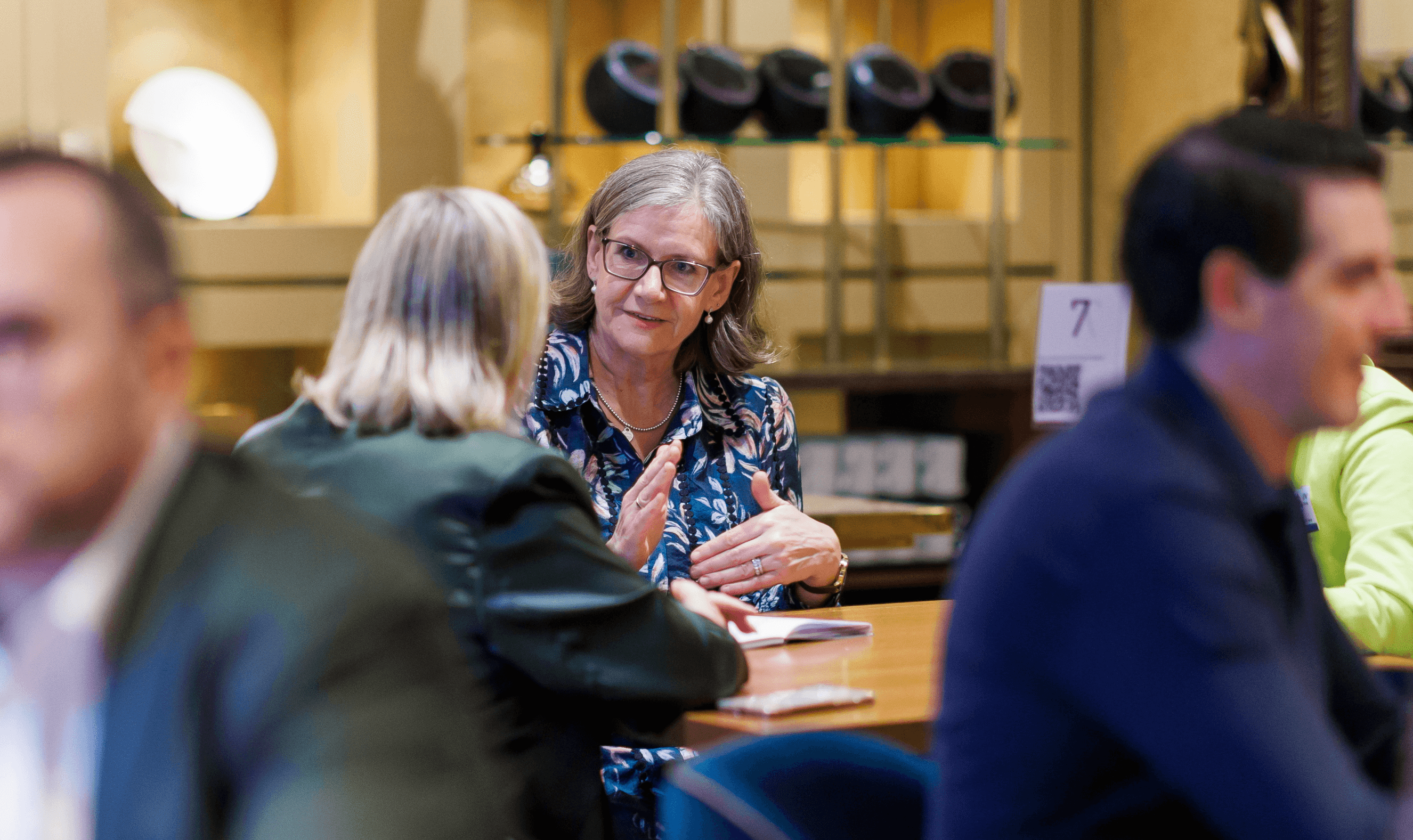
As we celebrate 20 years of Queensland Leaders, Jo Kitney from
Kitney
explores the future of workplace health and safety (WHS) and its growing role as an indicator of business maturity.
Jo believes WHS maturity will increasingly be viewed as a measure of how effectively an organisation is led, governed and managed. That’s because “safer businesses can strengthen operations, workforce trust and client confidence.”
The next horizon
Leaders who can identify risk, take responsibility and turn information into action will be best positioned to capitalise on what comes next. This requires a mindset shift from viewing WHS as a compliance function.
This is not just about safety outcomes – it’s about sustainable business performance.
The integration of digital workflows, mobile reporting, dashboards, automation and AI will improve understanding of risk and help businesses move from reacting to incidents to identifying patterns and acting earlier.
In the years ahead, WHS will be influenced by the following factors:
Actionable risk intelligence
Better connected information will give leaders visibility across incidents, hazards, actions, assurance and operations. This will enable the shift beyond reporting what happened, to understanding why it happened and where to focus next.
Three connected workplaces
Organisations increasingly operate across physical, psychosocial and digital workplaces. Each creates different risks and opportunities. This means leaders need to consider safety in the design of work, systems and technology.
Technology as an enabler
Businesses that gain the most value will not simply adopt more technology. Technology is an enabler, not the answer. The strategy, architecture and governance must be in place to make the move safely and successfully.
Practical implications
Leaders should think about workplace health and safety as a fundamental part of the business, rather than a standalone compliance function.
The priority should be clarifying accountability, understanding risk, standardising processes and connecting information across the business. These foundations will allow technology, data and AI to improve performance.
The most important action will be developing a practical roadmap that connects WHS with strategy, systems and investment, while ensuring emerging technologies are introduced with appropriate governance and consultation.
Defining advantage
Over the next decade, leading privately-owned companies will be distinguished by the following factors:
> Clear accountability for risk
> Connected and reliable information
> Disciplined processes and governance
> Safe and considered use of technology
> Genuine workforce consultation
Safety maturity will increasingly become business maturity – and a source of competitive advantage. This will be achieved by connecting
people, processes and information and turning insight into timely action.
Key takeaways
1. Workplace health and safety maturity will increasingly reflect how effectively a business is led, governed
and managed.
2. Technology will enable better visibility and decision-making, but the value will be determined by strong
foundations.
3. Businesses must manage physical, psychosocial and digital workplaces, balancing risks with
opportunities.
 Final thought
“The future of workplace health and safety will not be measured by how many systems a business has, but by how clearly it can see risk,
take responsibility and turn information into action.”
Jo Kitney – Managing Director, Kitney
What if… safer businesses were simply better businesses?